LLRULE Journals · The LLRULE Approach
Mountains to Sea
The Geography of How We Move
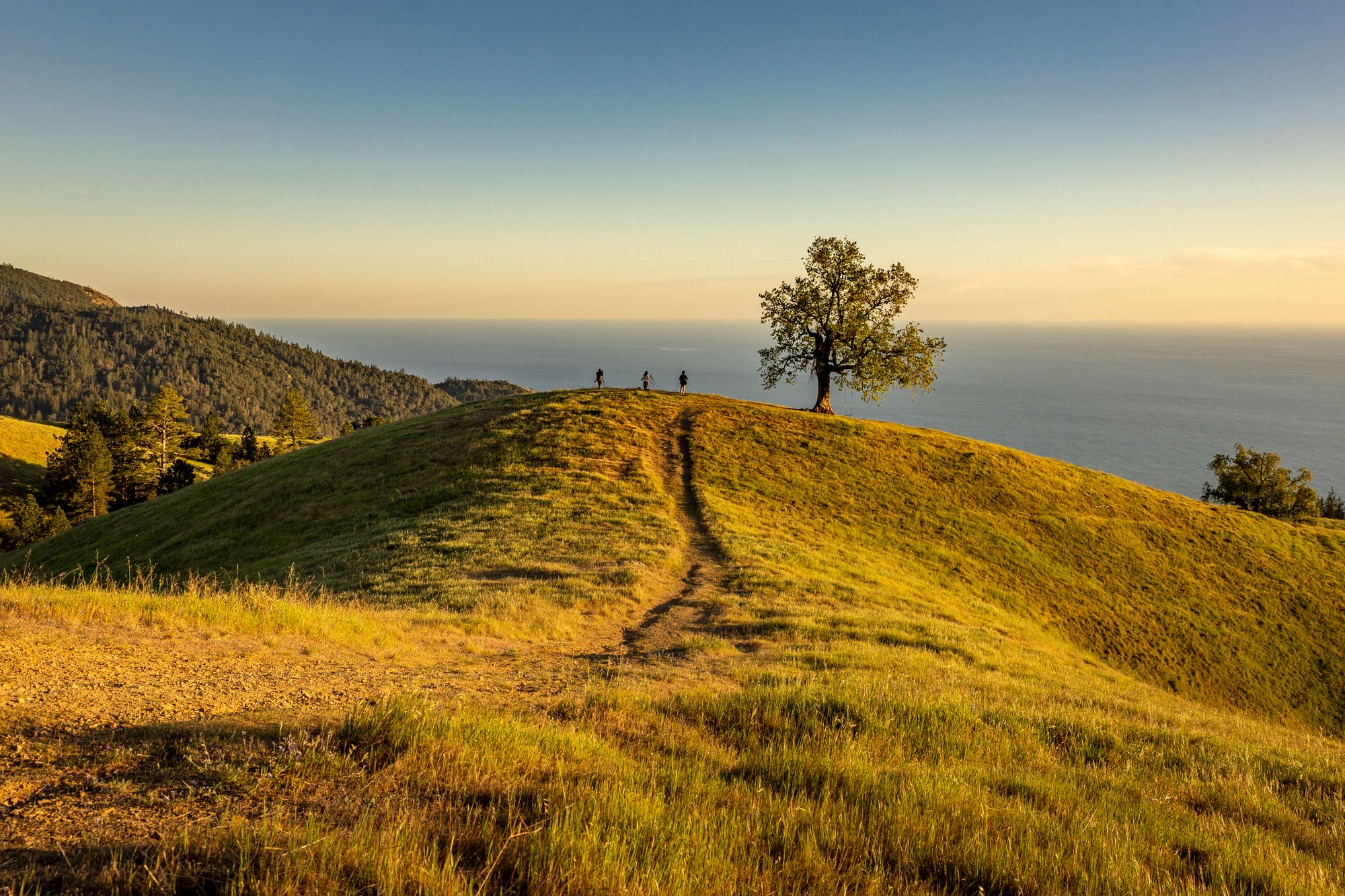
There are places on earth where ten thousand feet of mountain terrain sits within hours of open ocean. The Andes fall to the Pacific and Atlantic coasts of Patagonia. New Zealand's Southern Alps press hard against the Tasman Sea. Morocco's Atlas Mountains end at an Atlantic coast where the surf runs year-round. The people who move through both environments, coast and summit, surf break and ridgeline, are the people LLRULE is built for.
Where Mountains Meet the Sea
Look at the map and find the corridors where mountain ranges terminate at open ocean within hours of each other. Norway's fjord coast, where glacier-carved walls drop directly into the North Atlantic. New Zealand's South Island, where the Southern Alps rise over 3,700 meters and then fall to a west coast that absorbs some of the largest swells in the Southern Hemisphere. Patagonia, where the spine of the Andes separates surf coasts on two separate oceans and the trails run from glaciated peaks to the cold Atlantic shore.
Japan's interior ranges, the Alps of Honshu, sit within hours of the Pacific surf coasts of Shikoku and the Izu Peninsula. Morocco's Atlas range rises above Marrakech and drops toward the Atlantic past Taghazout, where the surf runs from September through April. The Pacific Northwest strings together glaciated volcanoes and one of the world's great surf coasts within a single morning's drive.
This is the terrain type that LLRULE is building for. Not a single place, but a category of geography that occurs on every continent: where the mountain ends at the ocean and the drive from trailhead to break is measured in hours, not days.
The Coast Comes First
We should be honest about where LLRULE started. The earliest products, the CoastFade hoodies, the California Crew, the performance pieces built for women who move through coastal life, came from the coastline. The brand voice, the color palette pulled from sun-bleached earth and coastal greenery, the CoastFade process itself: these come from a particular relationship with the Pacific.
Coastal culture has its own rhythm and its own demands. The gear you wear in a surf town in the late afternoon, when the wind is picking up and the temperature is dropping and you are moving between the water and the parking lot and the coffee shop and back to the water, that gear needs to handle transitions. It needs to breathe in the sun and provide some warmth when the marine layer rolls in.
The CoastFade wash process, garment-dyed to develop a sun-bleached, lived-in quality from the first wash, is not a design trick. It is an honest acknowledgment that the best coastal gear looks the way coastal gear looks: a little worn, a little faded, a little like it has been through some things and kept working. The ocean does that to everything it loves.

The Mountain Is Coming
Trail running gear is coming to LLRULE. We say this not as a marketing announcement but as context for why the mountains to sea frame matters to us as a company and not just as geography.
The people who surf the world's coastlines and run the mountains above them are not two different customer segments. They are often the same person, moving between environments that demand different things while carrying the same underlying values: attention to the place, respect for conditions, gear that works without calling attention to itself.
When we build that line, we will build it from the same starting points: natural materials, natural performance, gear that respects the environments it is used in. The high ridges of Patagonia, the volcanic trails of the Pacific Northwest, the mountain paths of the Atlas range: the same philosophy travels to all of them.
"The person who surfs in the morning and runs a mountain trail in the afternoon is not two different people with two different wardrobes. That is the gap we are building for."

The People Who Refuse to Choose
The mountain-to-sea corridor produces, more than any other landscape, a particular kind of athlete: one who refuses to specialize.
This is the surfer on New Zealand's South Island who runs alpine trails during the flat season and comes back to the water with better cardiovascular capacity and a different sense of how to read terrain. The trail runner in Chilean Patagonia who swims in cold rivers for recovery because no foam roller provides what cold moving water does. The climber on the sea cliffs of the Basque Coast who surfs because the problem-solving quality is similar, reading the rock face, reading the wave face, making decisions in the moment with incomplete information.
They wear gear across contexts. A CoastFade hoodie goes from the surf parking lot to a mountain trailhead to a village coffee shop without any of those environments feeling like the wrong venue. That is not an accident of styling. It is a consequence of building from natural materials, classic shapes, and a color palette drawn from the landscape itself, stone, sage, coast, earth.
The Two Environments, Side by Side


What Each Environment Teaches
Moving between coast and mountain teaches things that staying in either one does not.
The ocean teaches humility through scale. You cannot muscle your way through a proper swell. You read it, you position yourself, you commit, and then the wave does what the wave does.
The mountain teaches humility through effort. Elevation does not negotiate. Your aerobic capacity either gets you to the summit or it does not. There is no shortcut around the vertical feet.
Together, they teach adaptability. The person who can read a swell and read a trail develops a general capacity for engaging with environments that are bigger and more complex than you are, with respect and attention, for as long as you can.
"The ocean teaches patience at geological scale. The mountain teaches honesty about effort. Together, they teach something neither can teach alone."
The Geography as Identity
Mountains to sea is not a California concept. It is a global one.
From the southern tip of South America to the fjord coasts of northern Europe, from the volcanic ranges of the Pacific Rim to the Atlas Mountains above the Atlantic, wherever high terrain falls quickly to open ocean, the same category of person appears: one who moves between environments, who refuses to limit themselves to coast or summit, who needs gear built for both.
LLRULE exists because we took that geography seriously. We started at the coast because that is where we started. We are moving toward the mountain because that is where we are going. The people who move between both environments, on every coast on earth where the mountains come down to meet the sea, those are the people we are building for.
Mountains to sea. That is the geography of how we move. That is what we are building.