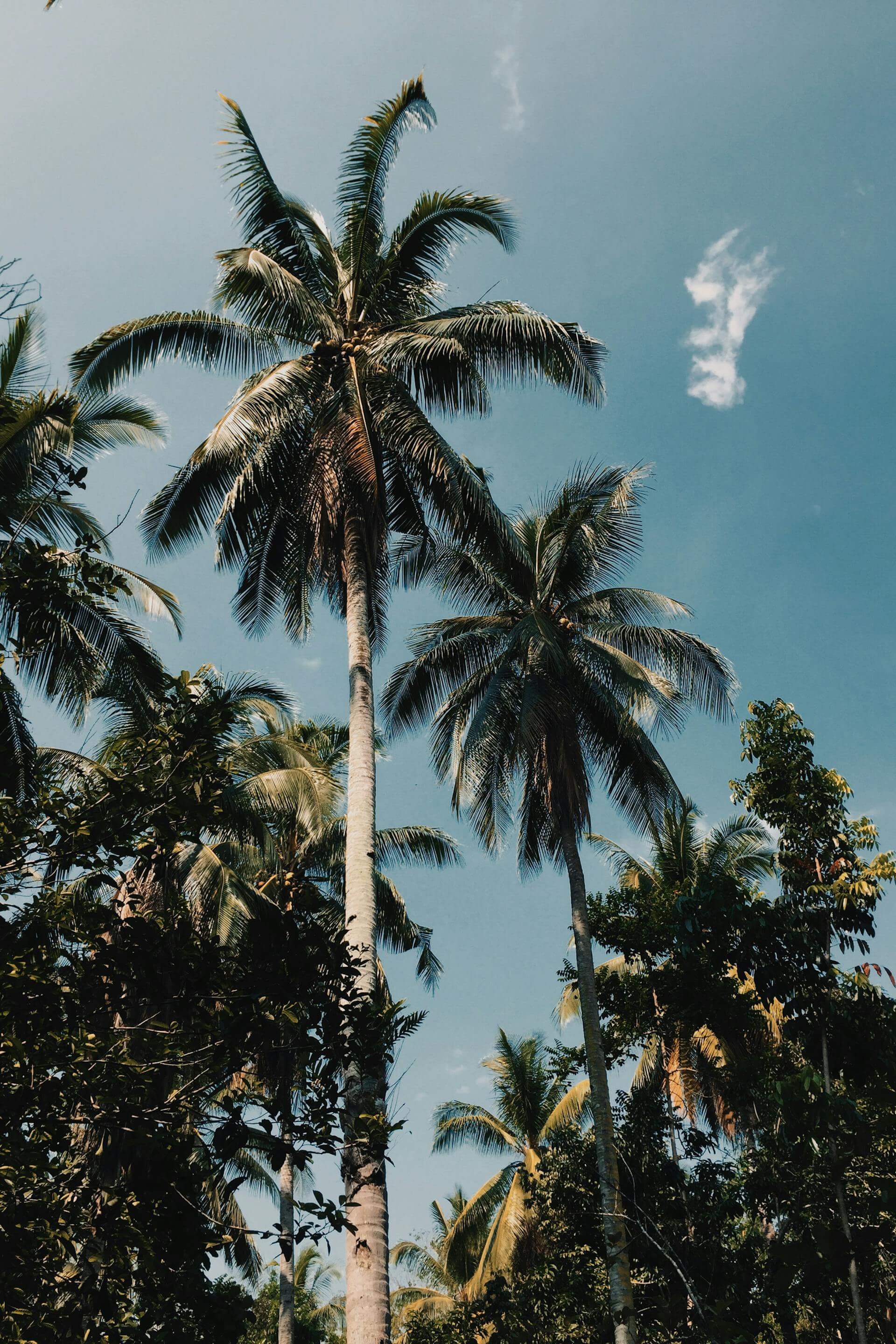
There's a trend making the rounds on TikTok called "the bird theory." People casually mention seeing a bird to their partner, recording the response as a test of connection and attention. But here's what strikes us: when's the last time any of us actually stopped to notice a bird?
Not as a relationship test. Not as content. But as a real moment, wings cutting through morning air, a flash of color against bare branches, the sudden awareness that you're sharing space with something wild.
We think there's something deeper here. Something worth exploring beyond the screen.
From Trend to Trail: An Invitation to Notice
The bird theory works as a relationship gauge because it measures something fundamental: whether we're present enough to notice the small things. But that same principle applies to how we move through the world.
How often do we lace up for a run, hit the trail, or step outside, only to spend the entire time in our heads? Replaying yesterday's conversation, running tomorrow's to-do list, anywhere but here.
Birds don't wait for us to pay attention. They're there anyway, hunting, singing, building, surviving. The question is whether we're awake enough to see them.

The Birds of Our Region: Pacific Northwest Encounters
Between Southern California sun and Pacific Northwest rain, we've learned to watch for different things. Each region writes its own story in feathers.
In the Northwest:
- Bald Eagles: Massive, unmistakable. Often spotted near water, hunting or perched in ancient conifers. When you see one, you stop everything.
- Steller's Jays: Bold blue, loud personality. They'll steal your trail snacks if you're not paying attention.
- Varied Thrush: Orange and slate gray, hauntingly beautiful song. A sign you're deep enough in the woods to hear it.
- Great Blue Heron: Still as sculpture at the water's edge. Masters of patience.
Down the coast in SoCal:
- California Scrub-Jay: Vibrant blue, highly intelligent. The neighborhood watch of the bird world.
- Hummingbirds: Anna's and Allen's, darting between flowers faster than you can focus.
- Red-tailed Hawks: Circling thermals over canyons, that distinctive call you've heard in every movie.
- Pelicans: Flying in formation just above the waves at sunset.
Different landscapes. Different birds. Same invitation to pay attention.

How to Actually See Birds (And Why It Matters)
You don't need binoculars or a field guide to start noticing birds. You just need to slow down long enough to look.
Start with these practices:
- Listen first. Birds announce themselves before you see them. Stop. Close your eyes. What do you hear?
- Look at silhouettes. Shape tells you more than color at first, long tail, short tail, hooked beak, straight beak.
- Notice behavior. How does it move? Hopping on the ground? Climbing tree bark? Hovering mid-air?
- Track patterns. Same bird, same tree, same time every morning. Nature has rhythms if we pay attention.
- Bring nothing but presence. No phone. No camera at first. Just you and the moment.
This isn't about becoming an expert. It's about remembering what it feels like to notice something for no reason other than it's there.

Life in Motion, Grounded in Presence
At LLRULE, we talk about building gear for "life in motion." But motion without awareness is just distraction in different locations.
The best runs, hikes, and outdoor sessions aren't the ones where we zone out completely. They're the ones where we zone in, where the rhythm of breath matches the rhythm of steps, where we notice the hawk overhead or the sudden silence that means something's watching.
We're designed for this. To move, to notice, to be part of the environment rather than just passing through it.
Birds are the reminder. They don't care about our fitness goals or our content calendars. They're hunting insects, defending territory, migrating thousands of miles on instinct alone. Witnessing that, really witnessing it, pulls us back into scale. Back into wonder.

Your Next Move: The 7-Day Bird Challenge
Here's a challenge that has nothing to do with TikTok and everything to do with showing up differently.
For the next 7 days:
- Day 1-3: Just notice. No identification, no recording. Simply observe one bird per day.
- Day 4-5: Try to identify one new species using free apps like Merlin Bird ID.
- Day 6-7: Find a spot. Sit still for 10 minutes. Count how many different birds appear.
By day 7, you'll be the person who actually did see a bird today. And you'll know what kind it was, what it was doing, and why it mattered.

Curiosity Takes Us Further
We've always believed that work carries us somewhere, but curiosity takes us further. That's true whether you're building a company, training for something hard, or just trying to live with more intention.
The bird theory started as a test of connection. But connection works both ways. Are we connected enough to our environment to notice what's already there? Are we present enough in motion to actually experience it?
The trails, the mountains, the coastlines, the urban parks, they're all full of life that doesn't need us to notice it. But we're richer when we do.
So the next time you're out there, running, hiking, walking, exploring, pause for just a second. Look up. Listen.
You might actually see a bird today.
And when you do, it won't be content. It won't be a test. It'll just be a moment of wonder you chose to notice.
Built for Exploration
At LLRULE, we build gear that moves with you, on trails, in training, through life. Versatile essentials designed for people who refuse to choose between performance and presence.
Because the best gear doesn't demand attention. It supports the moments that do.
Explore with intention. Move with purpose. Notice what matters.
Why TERRAIN
TERRAIN is where LLRULE writes about the land and water behind every trail run, river day, and surf session. We build for people who spend their lives in these places, and paying attention to them is part of the work.
More from TERRAIN · Mountains to Sea · Shop Men's · Shop Women's