TRAILHEAD · KING RANGE NATIONAL CONSERVATION AREA · HUMBOLDT COUNTY, CA
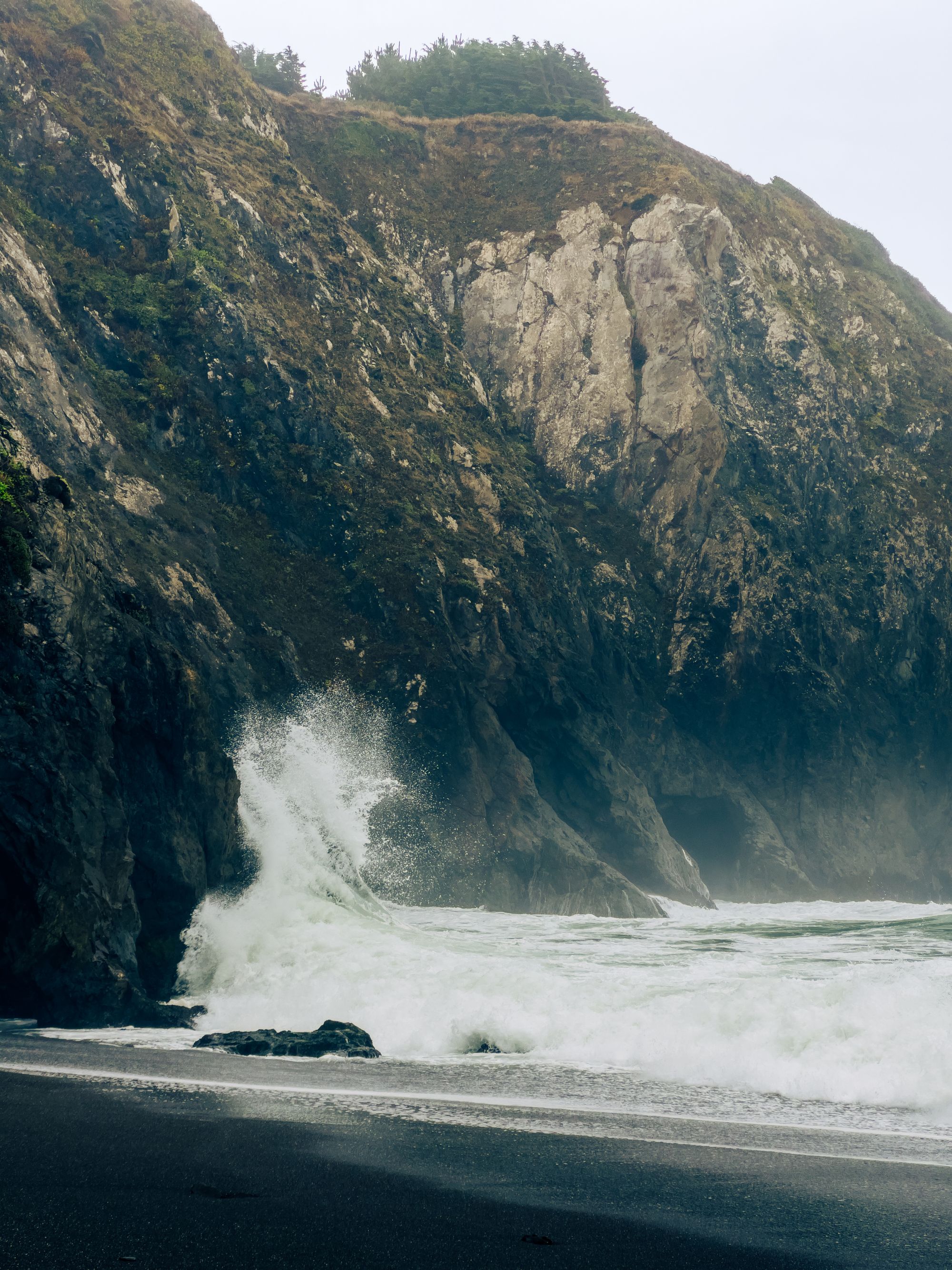
When Caltrans engineers surveyed the Northern California coast in the 1930s, they concluded that twenty-five miles of it were simply unbuildable. The King Range mountains drop directly into the Pacific here: no shelf, no terrace, no room for a road. So they routed Highway 1 inland through the Eel River valley and left the coast to itself. That is why it is called the Lost Coast. Not lost in the sense of forgotten. Lost in the sense of having escaped.
The Lost Coast Trail runs 25 miles along black sand beaches, over coastal headlands, past sea stacks and tide pools and the wreck of a 1930s freighter still visible at low tide off Shelter Cove. There are no services, no cell coverage, no facilities beyond dispersed camping. The King Range rises to 4,088 feet immediately inland, creating weather the BLM describes as one of the most challenging along the Pacific Coast. Rain is possible any month. The surf is not swimmable.
How do tides affect the Lost Coast?
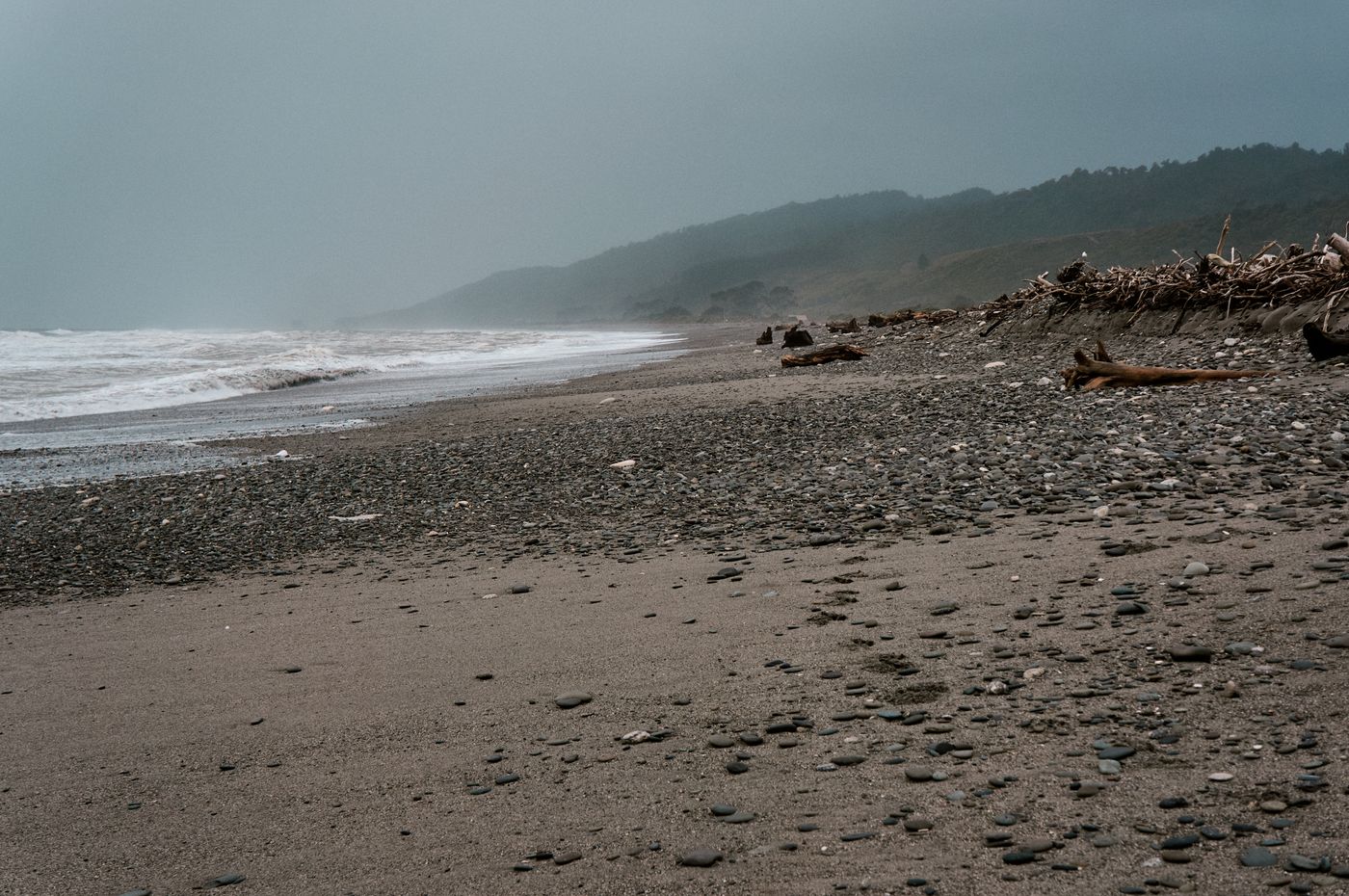
The full through-route requires planning around tides. Four sections between Punta Gorda and Miller Flat cannot be passed at high tide: the ocean runs to the cliff base and there is no route above. Running south to north (preferred, wind at your back) means timing movement through those sections at low tide windows. The BLM publishes a tide chart specific to the Lost Coast; print it before you lose signal, or download the NOAA tide chart for the Shelter Cove station.
How long does the Lost Coast take?
Most trail runners approach this as a two-day effort: 25 miles with overnight camp at one of the designated beach sites. The beach running is harder than it reads. Black sand is heavy and loose, your ankles work constantly to stabilize, and the boulder-hop sections near the headlands require hands and judgment. This is not a run measured in minutes per mile.


Why run the Lost Coast?
What the Lost Coast offers that nowhere else in California offers is temporal displacement. You are standing in the same place that existed before the highway, before the development, before the modern state made its improvements. Black bears cross the beach at dawn. Roosevelt elk graze the coastal terrace. Gray whales pass offshore during migration. The seal colonies on the rocks below Punta Gorda lighthouse bark through the night.
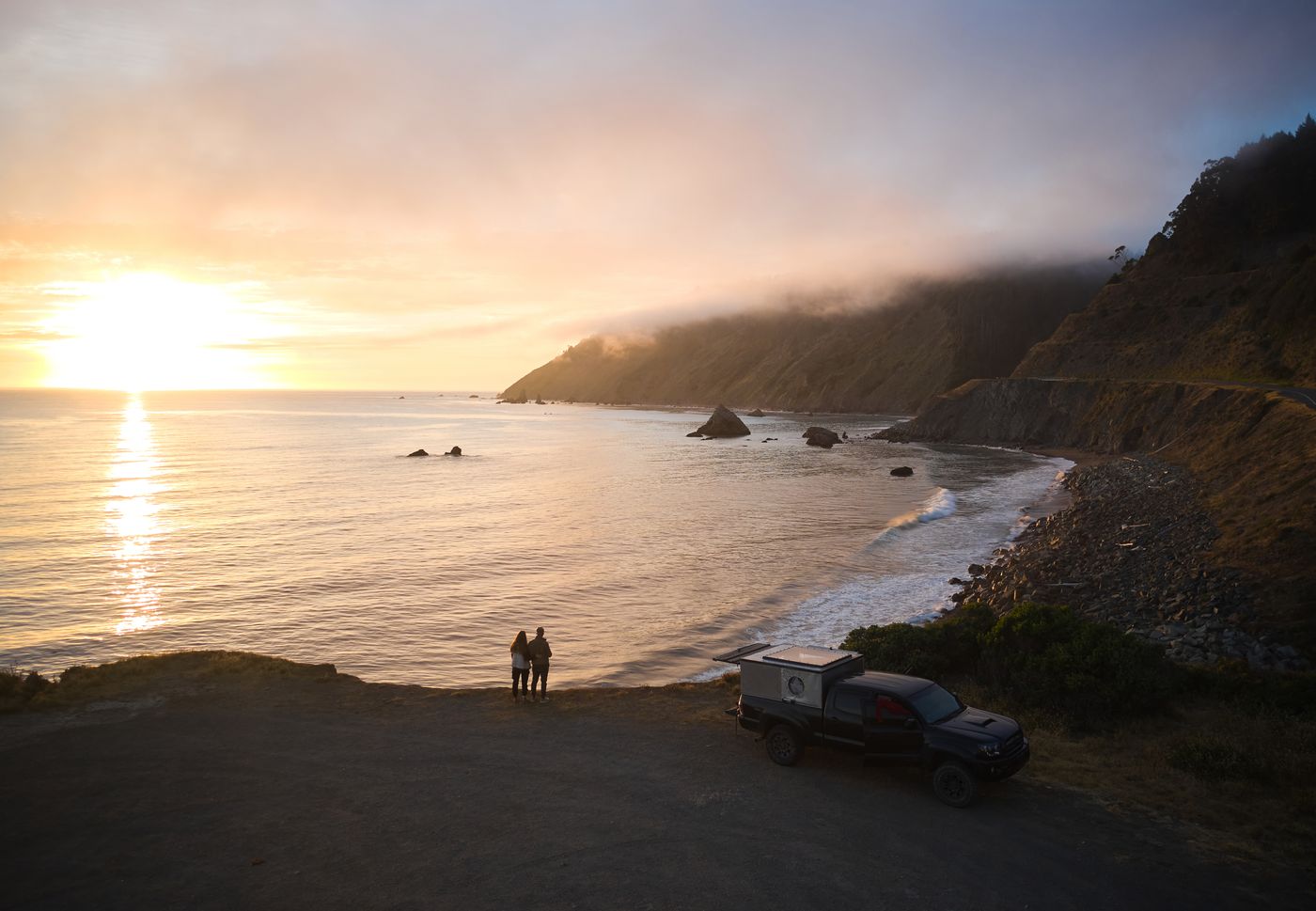

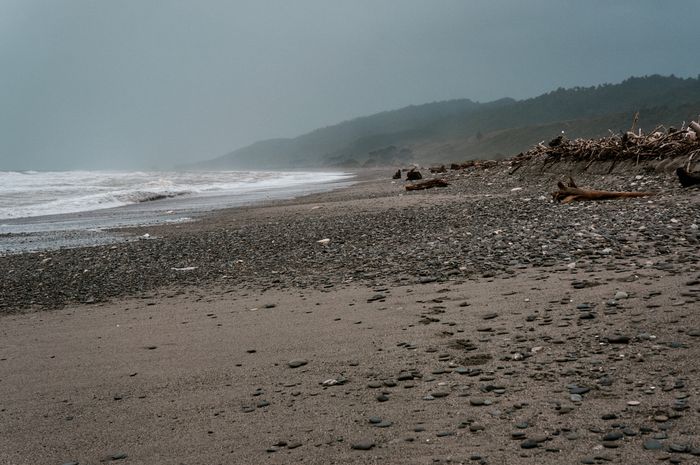

TRAIL MAP · BLACK SANDS BEACH · SHELTER COVE · HUMBOLDT COUNTY
A BLM permit ($8/night) is required for overnight camping May through September. Download the tide table PDF before leaving cell coverage. Bear canisters are required. Bring a waterproof shell and performance base layers; coastal weather changes fast. The nearest emergency services are over an hour from the trailhead. This run rewards experience and penalizes overconfidence.
You finish at Black Sands Beach in Shelter Cove, where a small community faces the ocean at the end of a road that goes no further. The last mile is on the beach itself: black sand soft underfoot, the Pacific just to your left, the King Range behind you. It is not a finish line. It is just the place where the trail runs out of coast.